

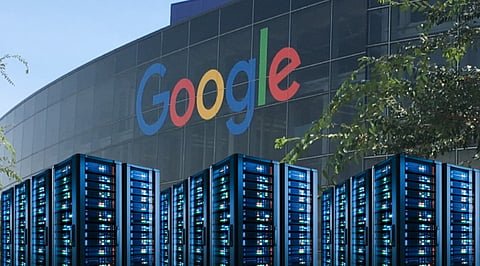
Microsoft and Google are getting a lot of worries from communities and lawmakers because they are building many big data centers across the United States. These centers help store information and support smart computer programs called artificial intelligence.
But building these centers uses a lot of electricity and water, which makes people concerned about energy, water, costs, and the effect on local neighborhoods. People living nearby are asking who should pay for the extra electricity needed to run these huge centers.
Some projects have been stopped or delayed because communities don’t agree with them. Many states are also making rules about where and how these data centers can be built, and how much water and electricity they can use.
Microsoft is trying to fix some of these problems by focusing on how their data centers affect electricity prices, jobs, and water supplies. Their leaders say communities are asking important questions about how much electricity the centers need.
Google is also facing opposition from different political groups who are worried about the same things—electricity, water, and how the big data centers affect nearby neighborhoods.
Because artificial intelligence needs a lot of computer power, it’s making the electricity grids busier. Big companies like Microsoft, Google, Amazon, and Meta are building and using many data centers, which means more electricity is needed. Banks and energy companies are also preparing to invest more in the power grid to handle this demand.
Water use is another big concern. These data centers need cooling systems to keep the computers from getting too hot. Sometimes they use a lot of water for cooling, but some companies say they don’t always use water, depending on how they are built and where they are located.

