

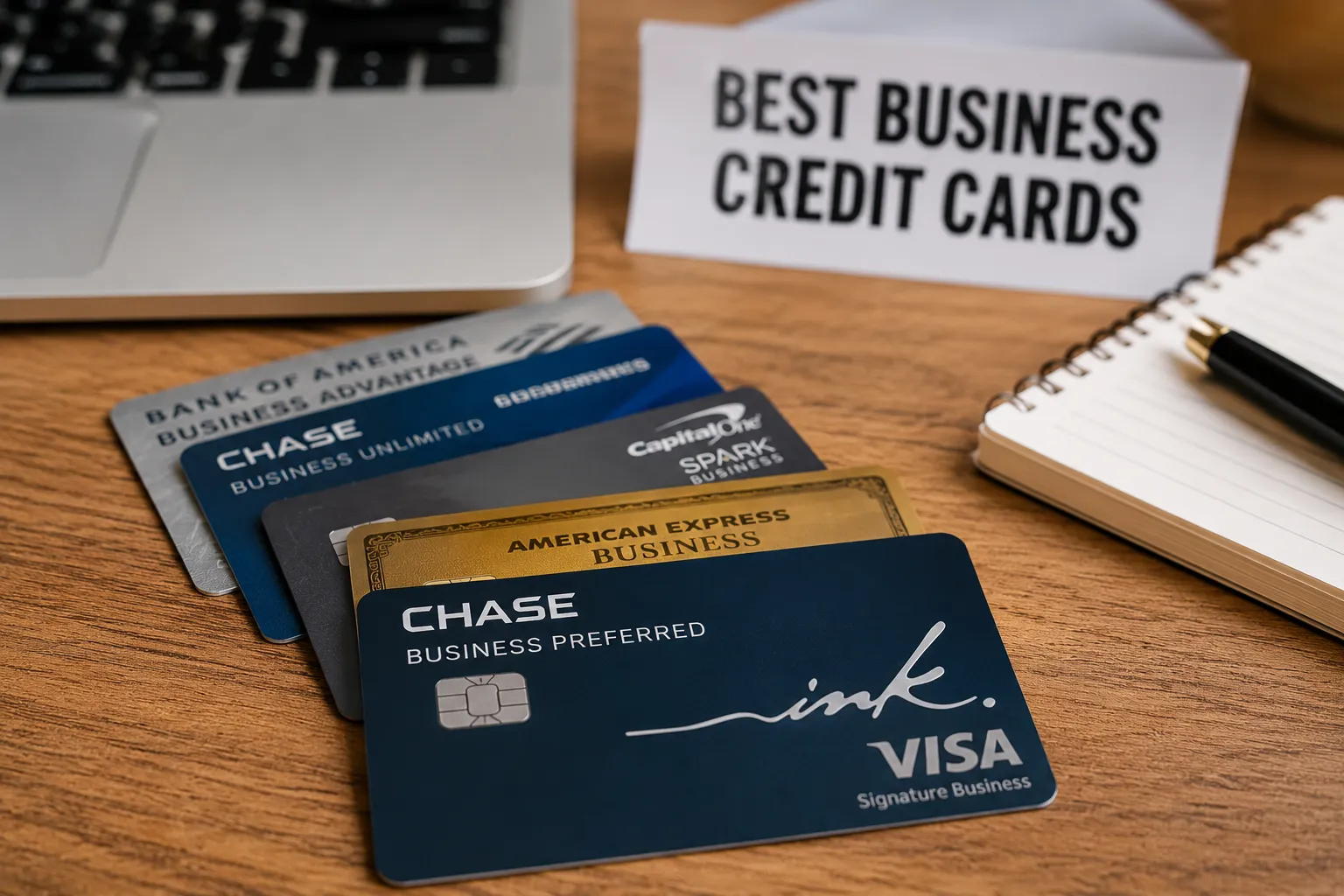
Running a business requires more than just generating revenue. Managing expenses, tracking cash flow, and maximizing rewards can have a significant impact on long-term profitability. This is where business credit cards become valuable financial tools. Whether you’re a freelancer, startup founder, or owner of an established company, the right business credit card can help you earn rewards, separate personal and business expenses, and access valuable perks that support business growth. In this guide, we’ll explore some of the best business credit cards available in 2026 and explain how to choose the right one for your specific needs.
Why Business Owners Should Use a Business Credit Card
Many small business owners initially use personal credit cards for business expenses. While this may seem convenient, it can create accounting challenges and make tax preparation more complicated.
Also Read:- Best Forex Trading Platforms in 2026
Business credit cards offer several advantages:
- Separate personal and business spending
- Simplified bookkeeping and expense tracking
- Employee card management
- Higher credit limits
- Business-focused rewards programs
- Purchase protection and travel benefits
- Opportunity to build business credit history
For growing companies, these benefits can save both time and money.
What to Look for in a Business Credit Card
Not all business credit cards are designed for the same type of business. Before applying, consider the following factors.
Rewards Structure
Some cards provide cashback on everyday business purchases, while others offer travel points or category-specific rewards.
If your company spends heavily on advertising, software subscriptions, shipping, or office supplies, look for a card that rewards those categories.
Annual Fees
Premium business cards often charge annual fees but may provide benefits that outweigh the cost.
Business owners should compare the expected value of rewards and perks against the annual fee before making a decision.
Introductory Offers
Many issuers offer welcome bonuses after meeting spending requirements during the first few months.
For businesses with planned expenses, these bonuses can provide significant value.
Interest Rates
Businesses that carry balances should pay close attention to annual percentage rates (APR). Lower interest rates can reduce borrowing costs over time.
Additional Benefits
Features such as travel insurance, airport lounge access, purchase protection, extended warranties, and fraud monitoring can add meaningful value.
Best Business Credit Cards for Small Businesses
Chase Ink Business Preferred
The Chase Ink Business Preferred card continues to be one of the most popular options among entrepreneurs.
It offers strong rewards on business-related purchases, including advertising, travel, shipping, and telecommunications services.
The card is particularly attractive for companies that spend heavily on digital marketing and online advertising.
American Express Business Gold Card
Business owners looking for flexible rewards often consider the American Express Business Gold Card.
The card automatically rewards spending in categories where the business spends the most, making it suitable for companies with changing expense patterns.
It also provides travel and expense management benefits that appeal to growing businesses.
Capital One Spark Cash Plus
For businesses that prefer simplicity, the Capital One Spark Cash Plus offers straightforward cashback rewards without requiring complicated point calculations.
Many small business owners appreciate the ability to earn consistent rewards across all purchases.
U.S. Bank Business Triple Cash Rewards
This card is often recommended for startups and smaller companies because of its competitive cashback structure and relatively accessible approval requirements.
The rewards categories align well with common operational expenses.
Bank of America Business Advantage Customized Cash Rewards
Businesses that want flexibility can choose reward categories that match their spending habits.
This makes the card attractive for companies operating in different industries with unique expense patterns.
Which Business Credit Card Is Best for Startups?
Startups often prioritize cash flow and cost control over luxury benefits.
For many new businesses, cards with:
- No annual fee
- Cashback rewards
- Introductory APR offers
- Easy expense tracking
provide the greatest value.
The best choice ultimately depends on spending behavior and future growth plans.
How Business Credit Cards Affect Your Credit
Responsible use of a business credit card can help establish a positive credit profile.
Paying balances on time, maintaining low credit utilization, and managing accounts responsibly can strengthen creditworthiness over time.
A strong business credit profile may improve access to financing options such as business loans and lines of credit in the future.
Common Mistakes Business Owners Should Avoid
Many businesses fail to maximize the benefits of their credit cards because of avoidable mistakes.
These include:
- Missing payment deadlines
- Carrying high-interest balances
- Ignoring reward opportunities
- Mixing personal and business expenses
- Applying for multiple cards simultaneously
Developing a clear credit management strategy can help avoid these issues.
Final Thoughts
The best business credit card isn’t necessarily the one with the biggest bonus or most premium features. The ideal card is the one that aligns with your company’s spending habits, financial goals, and growth strategy.
Business owners should carefully evaluate reward structures, fees, interest rates, and additional benefits before making a decision. When used responsibly, a business credit card can become an important financial tool that supports efficiency, improves cash flow management, and delivers valuable rewards throughout the year.

